Climate Justice
As specialists in gender equality and social inclusion, climate justice is a priority for us. Climate change is making existing inequalities worse and having profound impacts on the people and communities we work with.
We bring our gender equality and social inclusion expertise to the climate change space and mainstream climate justice throughout our work.
What is Climate Justice?
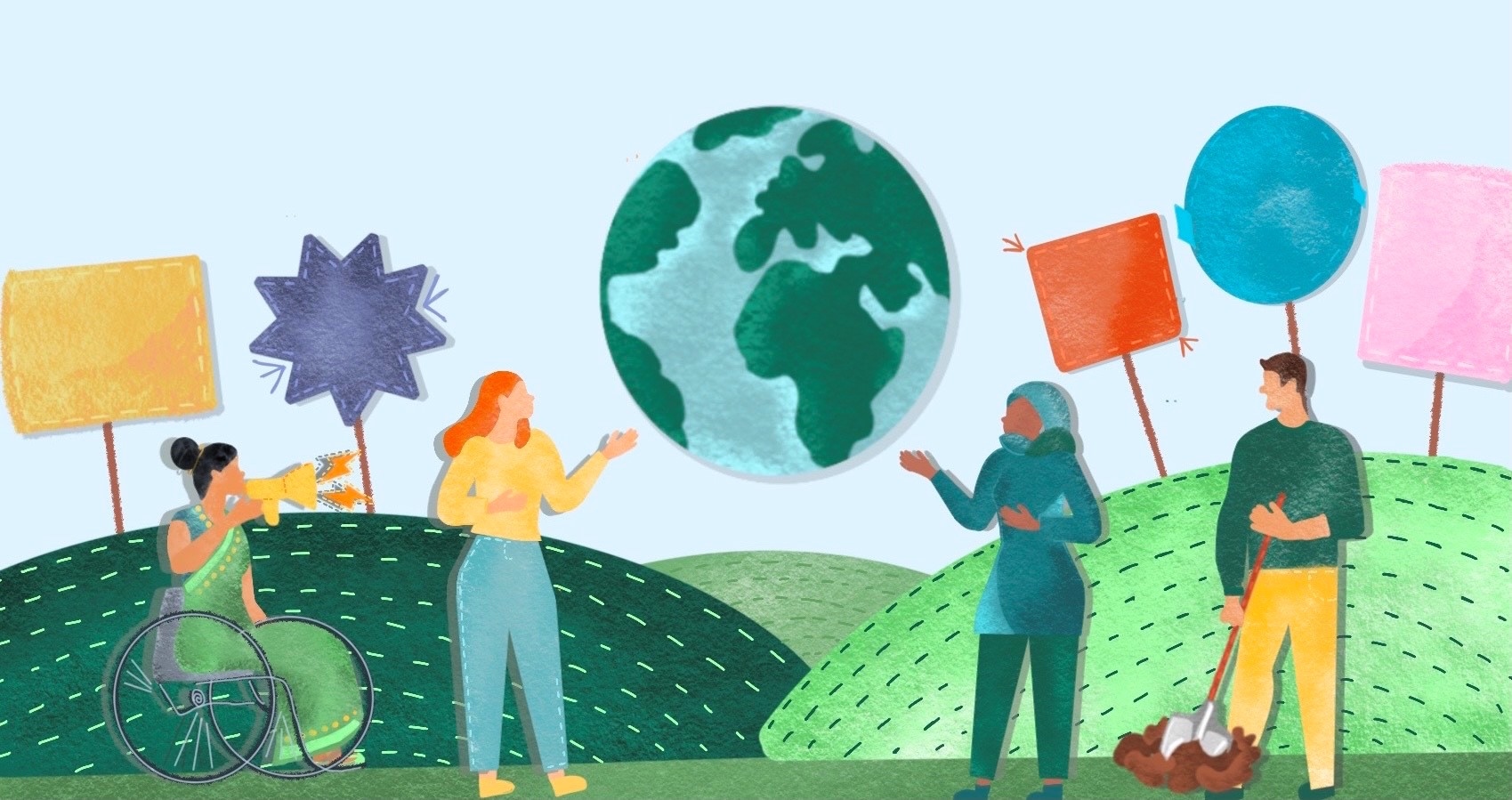
Our vision is for a just, sustainable and resilient world with equitable solutions to the climate crisis.
The countries that have contributed the least to global warming are experiencing the worst impacts of climate change. Unequal distributions of power and resources increases the risks that people face from the climate crisis.
Women and girls, people with disabilities, and other socially excluded groups are often most affected as they are more likely to live in poverty, and less likely to have access to the information and resources they need to adapt. Responses to climate-related disasters are often not accessible for people with disabilities and don’t take into account the increased risks of gender-based violence.
The voice and inclusion of excluded groups is critical to taking the action the world needs. Inclusive climate action also creates opportunities to promote equality.
Our approach
Our work on climate justice brings our gender equality and social inclusion (GESI) expertise to the climate change response. We have an in-depth understanding of the wide-ranging effects of climate change and the connections with GESI.
We partner with civil society, governments and the private sector to ensure gender equality and social inclusion is at the heart of climate action. We partner with civil society to amplify their voice and promote their leadership.
We support organisations working on climate change, environmental degradation and disaster risk reduction to increase their ambition on GESI in their work by providing high-quality training, participatory GESI audits, and technical assistance.
We produce cutting edge research and guidance, highlighting the linkages between climate change and areas including disability inclusion, education, energy and infrastructure, gender-based violence, and women’s economic empowerment. We also produced the first report on integrating a gender lens in the voluntary carbon market.
If you would like to hear more about our work on Climate Justice, please reach out to Rebekah Martin, Climate Justice Lead, rebekah.martin@sddirect.org.uk.
Exploring the links between flooding and violence against women and girls in the Eastern and Southern African region
This report examines how flooding, induced by climate change, disproportionately affects women and girls and increases their risk of experiencing GBV. The report has a particular focus on the Eastern and Southern Africa region. It identifies effective emergency preparedness and response strategies, particularly in the Eastern and Southern African region. It provides information that is useful to humanitarians, as well as development actors, working in flood-prone contexts.
GBV Against Climate Change Activists
This report summarises the evidence exploring the prevalence of GBV against climate change activists and environmental human rights defenders (EHRDs), its impact on climate and environmental activism, and efforts to address GBV in this context.
Climate Change and Gender Based Violence (GBV): What are the issues and what can we do about it?
During COP26, Naomi Clugston, Technical Specialist at SDDirect spoke with Dr Nahid Rezwana, Associate Professor at Dhaka University; Rumana Khan, the GBV Cluster Coordinator for UNFPA; and Murshida Akhter, a Humanitarian Specialist for UNFPA.
Disability inclusion in climate justice frameworks and environmental and climate risk assessment processes
This query considers how disability inclusion is integrated into climate justice frameworks and environmental and climate risk assessment processes. It concludes with key considerations for ensuring people with disabilities are included in analysis of risk and do no harm in climate, energy, and environment programmes.
International Women's Day 2022
Gender equality for a sustainable tomorrow is the UN Women theme for International Women’s Day 2022.
Disability Inclusion in Nature-Based Solutions Programming
There is an increasing focus on Nature-Based Solutions (NbS) to address the climate crisis. Whilst there is increasing awareness of the importance of disability inclusion in climate action, there is limited evidence available on disability inclusion and nature-based solutions programming. This report provides a rapid review of the emerging evidence on best practice of disability inclusion in nature-based solutions programming.
Pagination
- Previous page
- Page 4
- Next page
Our work in this area
Nature-based solutions (NbS) offer a powerful way of enhancing the climate resilience of both built and natural environments while simultaneously promoting women's economic empowerment and expanding their opportunities.
We are experts in integrating gender equality, disability and social inclusion (GEDSI) and safeguarding into climate finance, including the Voluntary Carbon Market.
SDDirect and the Self-Employed Women's Association (SEWA) Bharat have collaborated in order to shed light on how informal economy women workers in India are being impacted by climate change, and how they are adapting.
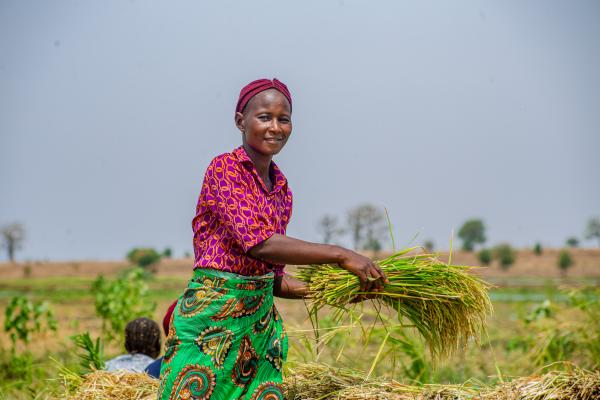
Propcom+ aims to support the transformation of Nigeria’s rural economy by addressing environmental, social, and economic challenges in the country’s food and land-use system. Propcom+ works with a diverse range of private sector partners to achieve these objectives. Social Development Direct has…
SDDirect are the GEDSI and MEL leads for the CLEAN Helpdesk, which provides technical assistance to support FCDO, and other government departments spending ODA, to deliver the UK’s ambition to tackle climate change and reverse biodiversity loss.
The GBViE Technical Support Hub is currently paused as funding for the services have ended. While we seek to re-establish services all our previous resources remain freely available in our library (below). SDDirect manages the Gender-Based Violence Area of Responsibility Helpdesk,…
UK PACT is a UK Government funded programme that works in partnership with countries with high emissions reduction potential to support them to implement and increase their ambitions for tackling climate change. UK PACT focuses on five sectors: energy, finance, nature, mobility, and low-carbon…- SDDirect provided research support on integrating gender as a core component of the voluntary carbon market (VCM). This project was part of the FCDO ASEAN Low Carbon Energy Programme (LCEP), which aims to support ASEAN’s efforts to shift towards low carbon energy through green finance flows and…
- SDDirect provided Defra with a Social Development Advisor, supported by a senior safeguarding specialist and a gender equality, disability and social inclusion (GEDSI) specialist. This assignment supported Defra to mainstream the rights and needs of women and girls, Indigenous Peoples, and minority…
- SDDirect designed and delivered a training for the Red Cross Red Crescent Climate Centre on integrating gender equality and social inclusion within their work supporting the International Red Cross and Red Crescent Movement and its partners in reducing the impacts of climate change and extreme-…
The Disability Inclusion Helpdesk aims to deliver tangible outcomes to improve the lives of people with disability; provide evidence-based understandings of 'what works' to deliver results for people with disabilities; ensure data and evidence produced leads to increased action and…