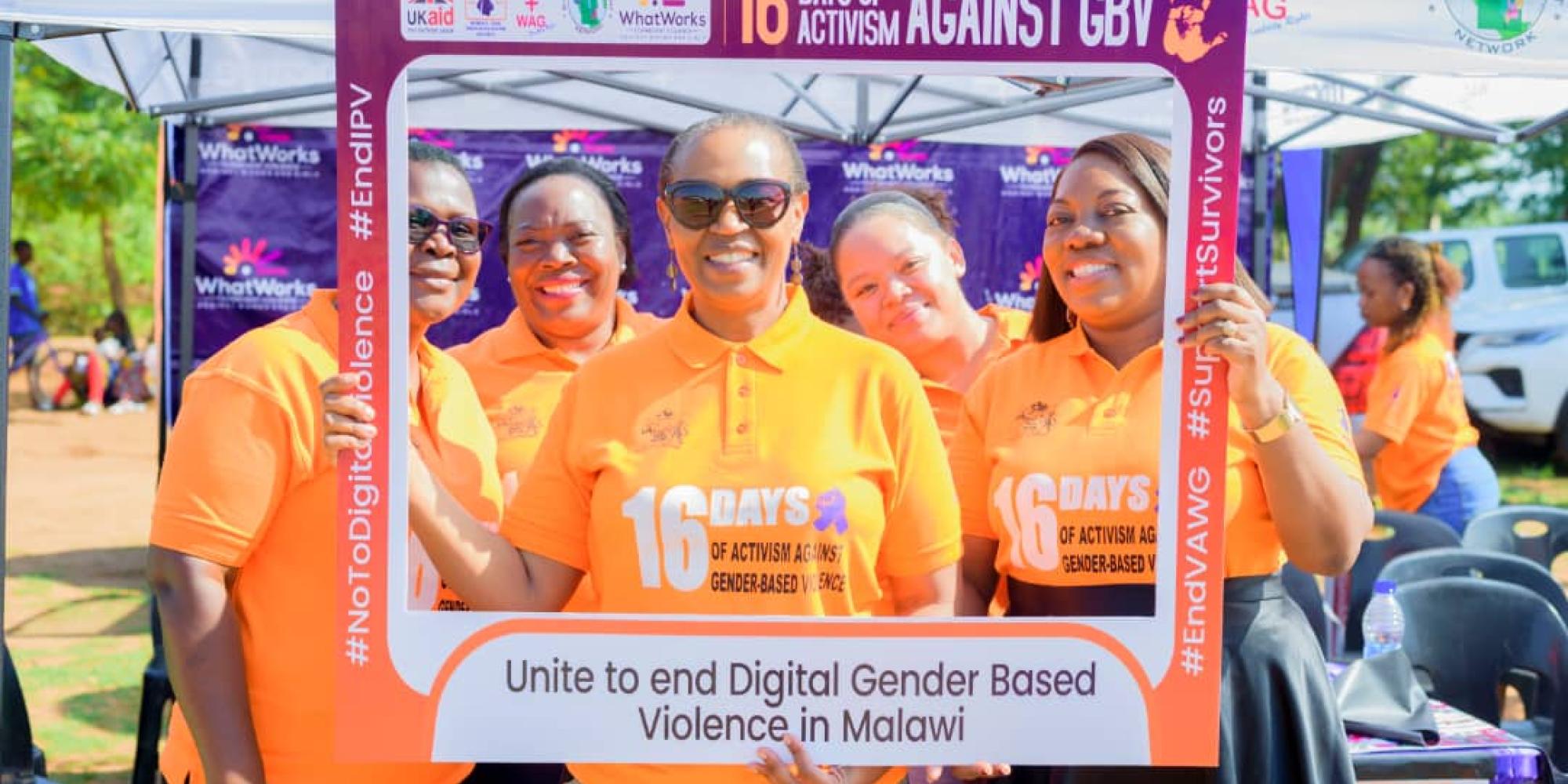
Last week, I had the opportunity to spend a deeply engaging and productive week in the field with our incredible Pamodzi Kuthetsa Nkhanza (PKN) the What Works II partners in Malawi.
Our time together included a deep dive into developing a responsible, ethical exit and sustainability plan; a critical commitment to ensuring communities continue to thrive long after the project ends. We also explored practical ways of working with men and boys in ways that centre the safety, dignity, and leadership of women and girls, keeping feminist principles at the core of all engagement.
A major part of the visit involved aligning baseline findings with current PKN interventions, sharpening our strategies, and identifying where deeper investment and stronger collective action are required.
I was also honored to participate in the national launch of the 16 Days of Activism, where PKN partners showcased powerful work. Activists shared bold reflections and commitments, and the WOLREC ED Ms Maggie Kathewera Banda called on government to prioritize VAWG prevention, a timely reminder of the collective voice and courage needed to drive systems change.
One of the most moving moments of the visit came from frontline workers we met in the communities, especially at the health centre and the police post. Their testimonies reflected deep commitment, integrity, and the quiet courage that sustains this work:
“We do not have enough space, but we make sure every survivor is spoken to privately. Confidentiality is our first responsibility.” — Health worker
“Even with limited resources, we prioritise dignity. A survivor must feel safe from the moment they walk in.” — Police Victim support desk officer
Their dedication, despite resource constraints, reinforces the importance of PKN’s continued capacity strengthening, supportive supervision, and policy advocacy to ensure frontline actors can serve survivors safely and effectively.
The climax of the visit was our community outreach in the SASA! Together intervention areas in Balaka and Lilongwe. Listening to community members speak about feeling valued, supported, and motivated to create positive change reminded me of something profound this is the root of effective activism. Grounded, community-led, relational, and driven by the belief that every person deserves dignity and safety.
Being in these spaces felt like returning to the heart of what activism truly is, the courage to stand with communities, amplify their realities, and co-create change that lasts.
Well done to the entire PKN team and partners, your commitment, passion, and integrity continue to shine. Grateful for the collaboration, learning, and momentum we are building together.
Grateful for the Support from the What Works II Learning Partnerships Team and from Social Development Direct.