Lucia Solda
Lucia is a Senior Technical Specialist in Monitoring, Evaluation, Learning (MEL) and Research.
Social Development Direct is a supplier of integrated Monitoring, Evaluation, and Learning (MEL) and Gender Equality, Disability and Social Inclusion (GEDSI) expertise.
We combine a feminist approach with our know-how across all dimensions of MEL and GEDSI insights across all our thematic portfolios to contribute to a gendered evidence base.
To promote and practice locally led, participatory, feminist and inclusive MEL, contributing to and advocating for the use of a stronger evidence base on GEDSI.
We specialise in applying feminist and participatory approaches to generate and use GEDSI knowledge and evidence. We partner with governments, the private sector and civil society to co-create MEL systems and evidence generation activities, providing context-specific insights to improve policies, programmes, and services.
We provide tailored services across the policy cycle, including:
Monitoring, evaluation, and learning: Developing and implementing inclusive and participatory MEL systems for adaptive management of programming and policy work, aiming to enhance GEDSI.
Evaluation and research: Designing and implementing feminist and participatory mixed-methods evaluations to help clients assess the effectiveness of their GEDSI-related policies, programmes, or research.
Fund, Portfolio and system level MEL: Providing GEDSI, safeguarding and thematic expertise to MEL systems at the Fund or Portfolio level, contributing to the generation of relevant GEDSI evidence to strengthen GEDSI in programming and policy.
Our MEL work is rooted in co-creation and co-ownership, engaging and including locally based experts and people with lived experience of the issues at stake, as well as their representative organisations.
We deliver MEL work based on rigorous social, gender and inclusion analysis to measure transformational outcomes such as empowerment, accountability, institutional change, collective action, enhanced social capital and greater inclusion. We develop and deliver safe, ethical MEL frameworks for complex programmes. We carry out qualitative or mixed-methods evaluations (in local, multi-country or global settings) and provide design, facilitation and technical support to inclusive learning partnerships and platforms.
Our team of in-house experts, in collaboration with our global network of Associates and specialist advisors, provides expertise in inclusive, participatory MEL approaches and methodologies across SDDirect’s thematic areas of focus. Our approach is grounded in feminist principles and intersectional analysis. We collaborate with clients and partners to co-create bespoke approaches, selecting the right mix of methodologies to respond to specific needs and context, in line with key MEL objectives and questions. Our work is used to inform decision-making by a range of clients (multilateral organisations, donor agencies, governments, foundations, and civil society organisations) on issues relating to policy, programme design and implementation, levels of investment and performance management.
Our in house experts
Alix Clark, Head of Portfolio
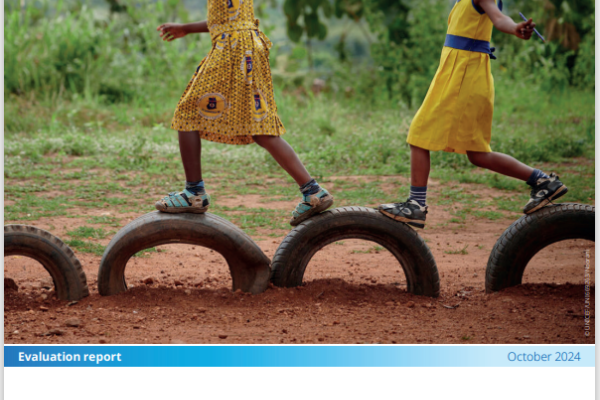
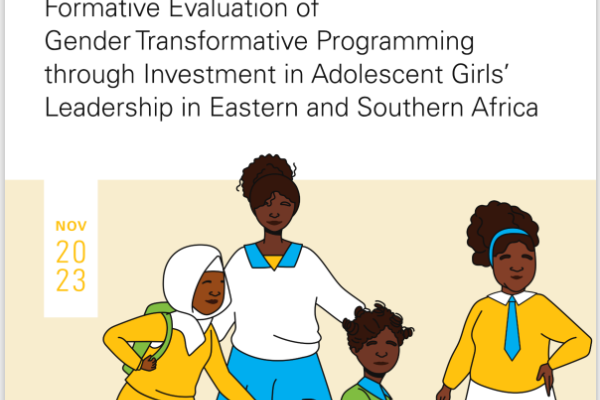
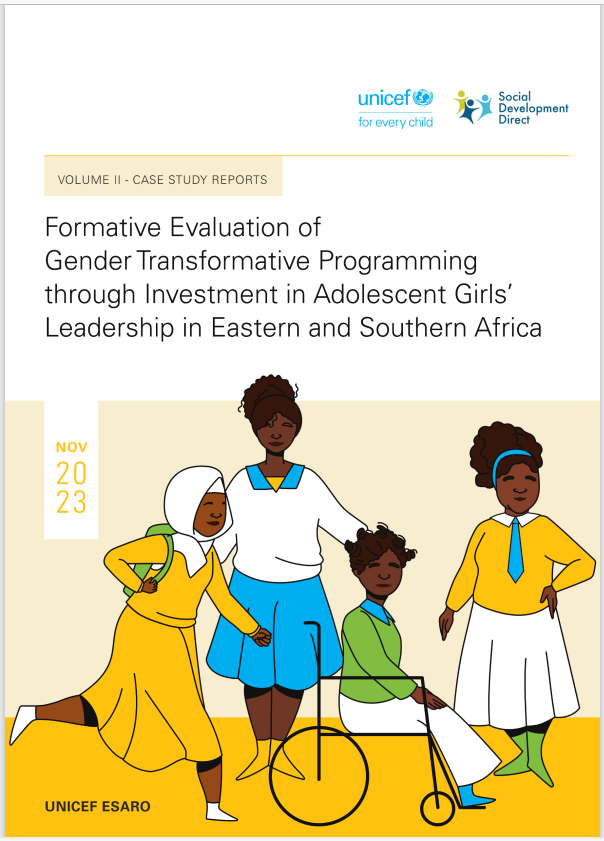
Formative Evaluation of UNICEF’s Gender Transformative Programming through Investment in Adolescent Girls’ Leadership: Feminist mixed-methods evaluation covering 21 countries in Eastern and Southern Africa, based on SDDirect Gender Equality and Social Inclusion framework, involving peer-to-peer data collection by adolescents.
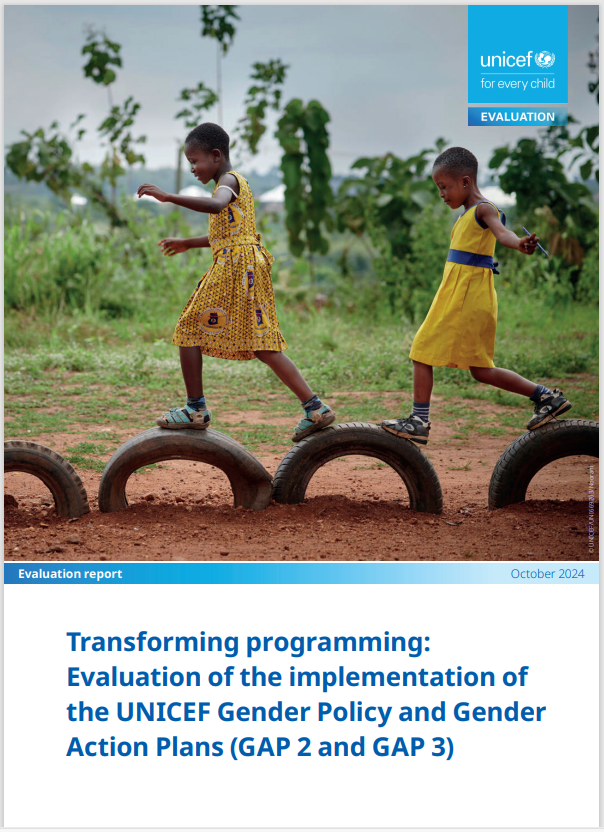
Transforming programming: Evaluation of the implementation of the UNICEF Gender Policy and Gender Action Plans (GAP 2 and GAP 3): Assessment of the effectiveness of the implementation of, and results achieved by, UNICEF’s Gender Policy (2021–2030) and the Gender Action Plans (GAP 2: 2018–2021, GAP 3: 2022–2025)
Lucia is a Senior Technical Specialist in Monitoring, Evaluation, Learning (MEL) and Research.
SDDirect together with a local research partner, Forcier, were contracted by the World Bank Kenya to undertake a gender-based service (GBV) service gap analysis in four counties (Bomet, Kisumu, Kitui and Kwale). The overall objectives of the study were to:
Assessing the Joint Programme's accountability to end Violence Against Women and Girls (VAWG) and address the bi-directional nature of VAWG and HIV (where VAWG can be an indirect/direct factor for increased HIV risk, and HIV status and disclosure can lead to violence).
SDDirect is part of a multidisciplinary consortia delivering the Global Monitoring, Evaluation and Learning (GMEL) service for the Conflict, Stability and Security Fund (CSSF).
In 2020, Social Development Direct was contracted by UNAIDS Evaluation Office to conduct an evaluation of the Joint Programme’s work on addressing the linkages between HIV and VAWG – where violence can be an indirect and direct factor for increased HIV risk for women and girls, and violence can be an outcome of HIV status and disclosure. Coinciding with the launch of the evaluation report, this learning brief shares reflections on how the evaluation took steps to
Assessing the Joint Programme's accountability to end Violence Against Women and Girls (VAWG) and address the bi-directional nature of VAWG and HIV (where VAWG can be an indirect/direct factor for increased HIV risk, and HIV status and disclosure can lead to violence).
SDDirect was commissioned to conduct a mixed-methods endline evaluation of ActionAid’s Promoting Opportunities for Women's Empowerment and Rights (POWER), in partnership with DM Watch in Bangladesh, ResearchLime in Ghana and DevLink Consults in Rwanda.
Developed as part of our work for the Girls' Education Challenge (GEC),this tool provides example questions for monitoring visits with a focus on policy and compliance.
Developed as part of our work for the Girls' Education Challenge (GEC), this tool provides example questions for monitoring visits and example focus group questions. The questions focus on culture, enabling environment and implementation.
Practical guidance on safeguarding considerations for each stage of the monitoring, evaluation (M&E) and research cycle.